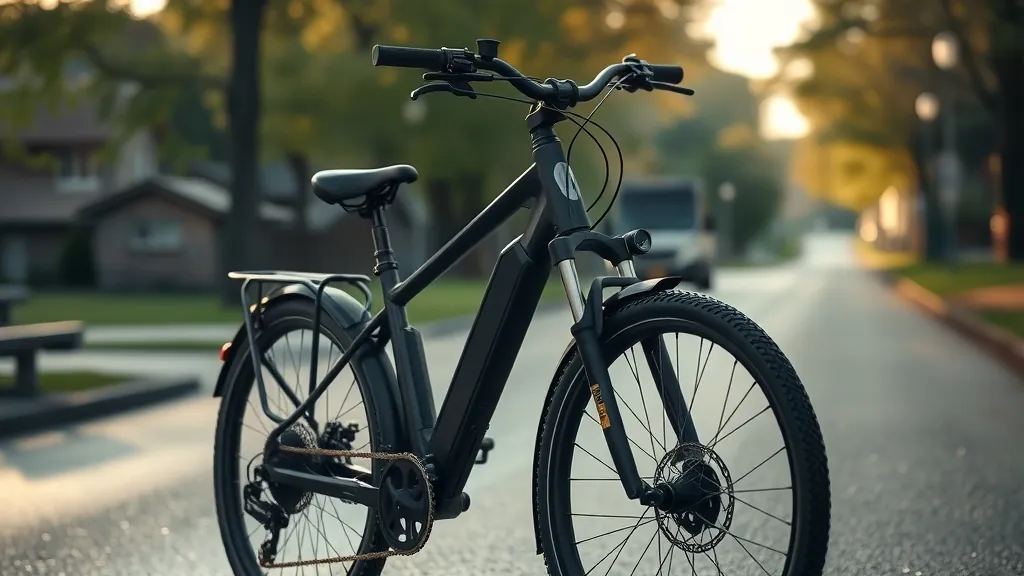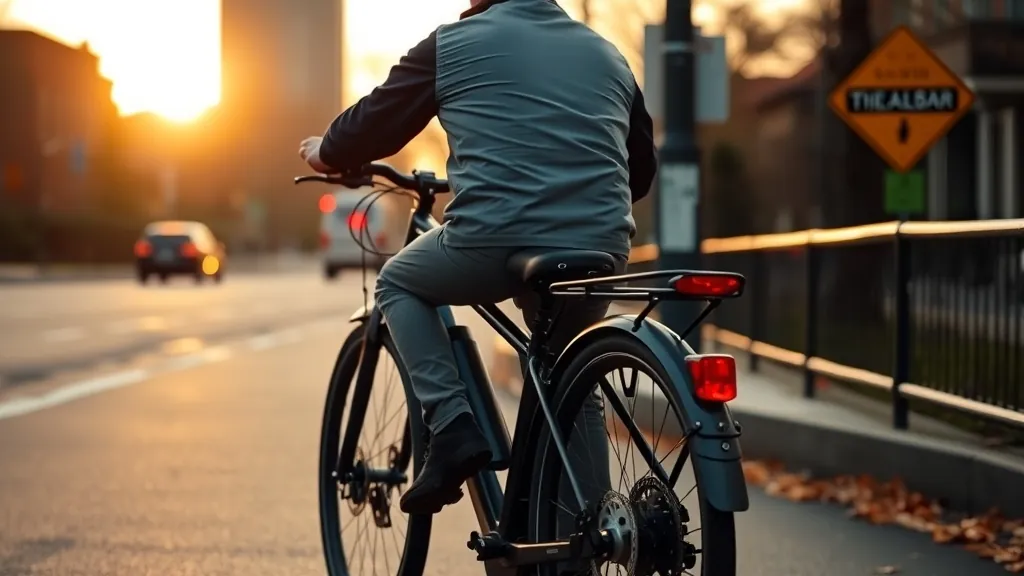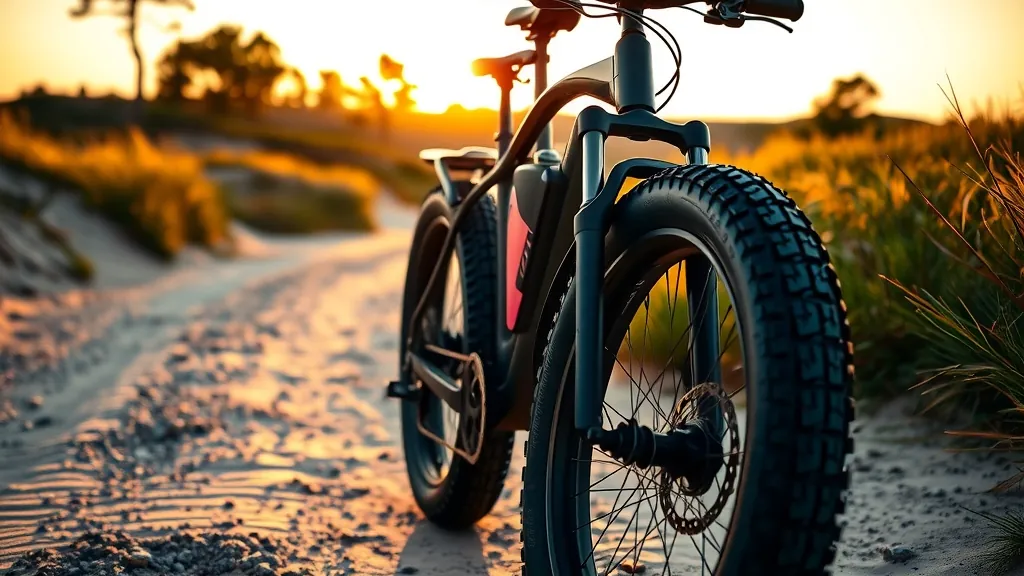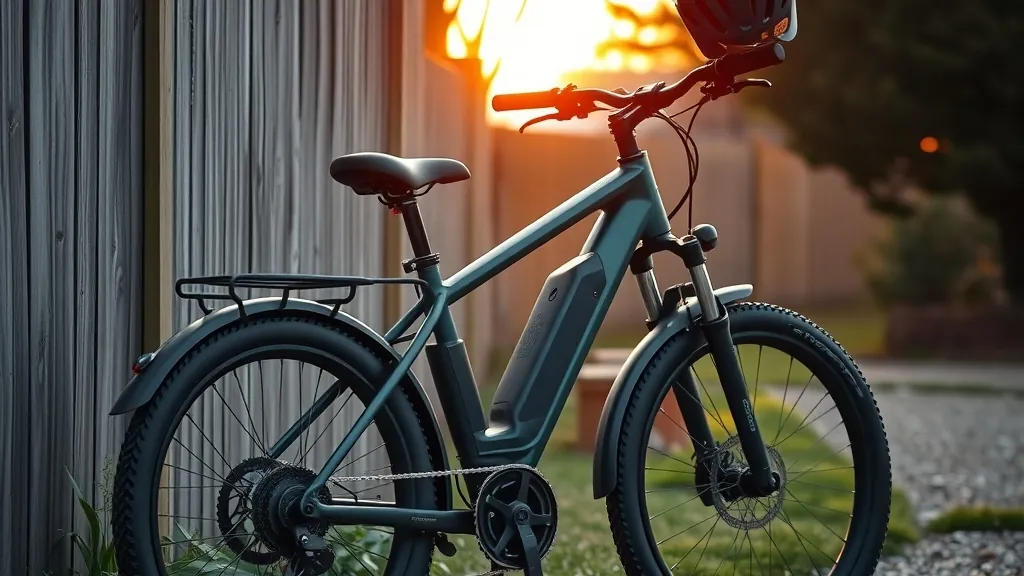
The e-bike that worries me isn’t the one with a small battery or a modest motor. It’s the one that works great for eight months, then throws an error code, and the owner finds out the brand doesn’t sell that controller anymore, the local shop won’t touch it, and the battery uses a connector nobody else makes. At that point the bike is 60-odd pounds of garage clutter.
I spent years on renovation jobs where the cheapest fixture always turned out to be the one with no replacement parts. E-bikes follow the same rule. Most buying guides will walk you through motor types and range, and I’ll cover those too, but the questions that decide whether you’re happy in year three are about certification, parts and service. So that’s where this guide starts.
The short version
If you only remember four things:
- Certification first. The bike’s electrical system should be certified to UL 2849 (or an equivalent standard like EN 15194 in Europe), not just the battery cells.
- Watt-hours, not volts or “up to” range. Multiply battery volts by amp-hours to get a number you can compare.
- Parts you can actually buy. Check that the maker sells a replacement battery and charger, and that brakes and drivetrain use standard bike components.
- Class and local law. Know whether you’re buying a Class 1, 2 or 3 bike and where your state and city let that class ride.
Everything below expands on those.
Problem one: batteries that catch fire
This isn’t fear-mongering. The US Consumer Product Safety Commission has reported receiving reports from 39 states of fires or overheating incidents involving micromobility products in 2021 and 2022, with 19 reported deaths. New York City responded with Local Law 39, which took effect on September 16, 2023 and requires e-bikes and their batteries sold, leased or rented in the city to be certified to UL safety standards.
Here’s the part listings blur together:
- UL 2849 covers the whole e-bike electrical system: battery, battery management, charger, controller and motor working together.
- UL 2271 covers the battery pack on its own.
- “UL-listed cells” just means the individual cells inside the pack passed testing. That says nothing about how the pack was assembled or how the charger behaves.
A product page that says “UL certified battery” is not the same as a bike certified to UL 2849. Ask the seller which standard, and which lab tested it. A reputable brand will name the lab and often the certificate. If the answer is vague, move on.
Even with a certified bike, follow the maker’s charging instructions. Use only the supplied or approved charger, don’t charge a pack that’s been dropped hard or is swollen or hot, keep it away from exits and flammable stuff while it charges, and don’t leave it charging overnight in a spot where you wouldn’t notice smoke. A dead pack goes to a battery recycling drop-off, never the household trash.
Problem two: range numbers you can’t compare
Brands love “up to 60 miles.” That figure is usually measured on the lowest assist level, a light rider, flat ground and no wind. Treat it as a ceiling, not an estimate.
The number to compare is watt-hours (Wh): volts × amp-hours. A 48V, 14Ah pack is 672Wh. A 36V, 14Ah pack is 504Wh. Some brands print the Wh figure; if not, do the multiplication yourself.
As a rough planning range, many riders use somewhere around 15 to 30 watt-hours per mile depending on assist level, hills, rider weight, tire width and speed. So a 672Wh pack might cover anywhere from the low 20s to the 40s in miles. That spread is the honest answer. If your commute is 12 miles round trip, almost any decent pack works. If it’s 30 miles with hills, buy for the bad day, not the brochure.
On the 36V vs 48V question: higher voltage lets the system deliver the same power with less current, which can mean less heat and better hill performance. But voltage alone doesn’t make a bike better. Watt-hours tell you about range, and motor and controller quality tell you about how it pulls.
Problem three: motors described in peak watts
Federal law treats a low-speed electric bicycle as one with fully operable pedals and a motor under 750 watts, and most state class systems use the same 750W ceiling. Some sellers advertise 1,000W or 1,500W “peak.” Peak is a short burst; rated (or nominal) power is what the motor sustains. Compare rated to rated.
The motor’s location matters more for how the bike feels:
| Hub motor (in the rear or front wheel) | Mid-drive (at the cranks) | |
|---|---|---|
| Typical price | Lower | Higher |
| Feel on hills | Fine on moderate grades, can bog on long steep climbs | Uses the bike’s gears, so it climbs better |
| Upkeep | Fewer drivetrain loads; flat tire repair on the motor wheel takes more steps | Wears chains and cassettes faster |
| Best fit | Flat or rolling commutes, cargo on a budget | Hilly routes, trails, heavier loads on climbs |
Pair that with the sensor type. A cadence sensor turns the motor on when the cranks spin, which can feel like an on/off surge. A torque sensor measures how hard you push and adds power in proportion, which feels much more like riding a normal bike. If you test ride two bikes and one feels jerky at low speed in a parking lot, that’s usually the reason.
Problem four: parts and service nobody checks
This is where I’d spend the most time before buying, and where most guides spend the least.
Ask, or look up:
- Can I buy a replacement battery, and what does it cost? Get the actual current price. Batteries are the part most likely to need replacing, and a pack that’s discontinued in three years can make the whole bike scrap.
- Is the charger sold separately? Losing or breaking a charger shouldn’t strand the bike.
- Who services it near me? Direct-to-consumer brands may rely on mobile mechanics or partner shops. Check the actual list for your zip code. Some independent shops decline to work on certain online-only bikes.
- Are the brakes, chain, cassette and tires standard sizes? Common hydraulic disc brakes and standard drivetrain parts mean any bike shop can fix them. Proprietary wheels, odd rotor sizes or unusual tire sizes make simple repairs slow.
- Are error codes documented? A manual that lists display codes and what to do saves a lot of guessing.
I’d rather own a slightly less powerful bike from a brand that answers all five than a spec-sheet winner that answers none.
Problem five: warranty fine print
E-bike warranties often split coverage. The frame might carry a long warranty while the motor, battery and electronics get a shorter one, and wear items like tires, brake pads and chains are typically excluded. Read for:
- Separate terms for frame, motor, battery and display.
- Whether battery coverage is limited to a percentage of original capacity.
- Whether the bike must be assembled or tuned by a shop to keep coverage.
- Whether modifying the bike (removing speed limiters, aftermarket batteries) voids it. It almost always does, and a de-restricted bike may no longer be legally an e-bike.
- Who pays shipping on a warranty claim. Boxing and shipping a 60-pound bike is not cheap.
Terms change by model year, so read the current warranty page on the maker’s site, not a review from two years ago.
Problem six: buying the wrong class for where you ride
The three-class system used in most US states works like this:
- Class 1: pedal assist only, motor stops helping at 20 mph.
- Class 2: pedal assist plus a throttle, motor help up to 20 mph.
- Class 3: pedal assist up to 28 mph, often with a speedometer requirement and age or helmet rules.
Where each class can go varies a lot. Some states and parks allow Class 1 and 2 on multi-use paths but keep Class 3 on roads and bike lanes, and many natural-surface trails allow only Class 1 or no e-bikes at all. A few states don’t use the class system at all. Check your state statute and the rules for the specific paths you plan to ride before choosing. Bikes that can be switched between classes or tuned to run beyond these limits can fall outside the e-bike definition entirely.
The bike has to fit your house, too
A practical point people miss: where will it live? Many commuter e-bikes weigh 50 pounds or more, and cargo models can be far heavier. If you have stairs, a narrow side gate or a garage you share with the mower and the grill, measure. Removable batteries matter here: you can bring the pack inside to charge in a cool spot while the bike stays in the shed. Lift the bike before you buy. If you can’t get it up two steps, you won’t ride it as often as you think.
A short checklist for the test ride
Bring this list:
- Certification named (UL 2849 or equivalent) and the testing lab.
- Battery Wh calculated, plus replacement battery price written down.
- Hub or mid-drive, cadence or torque sensor, and how it feels starting from a stop.
- Brakes: hydraulic discs stop a heavy bike far better than mechanical ones.
- Class and whether it matches where you’ll ride.
- Warranty split for frame, motor and battery, and who pays shipping.
- A service option within reasonable distance of your home.
If you’re also shopping for power stations or tools that share space in the garage, our gear reviews look at the same things: real upkeep, parts and warranty terms rather than the box claims.