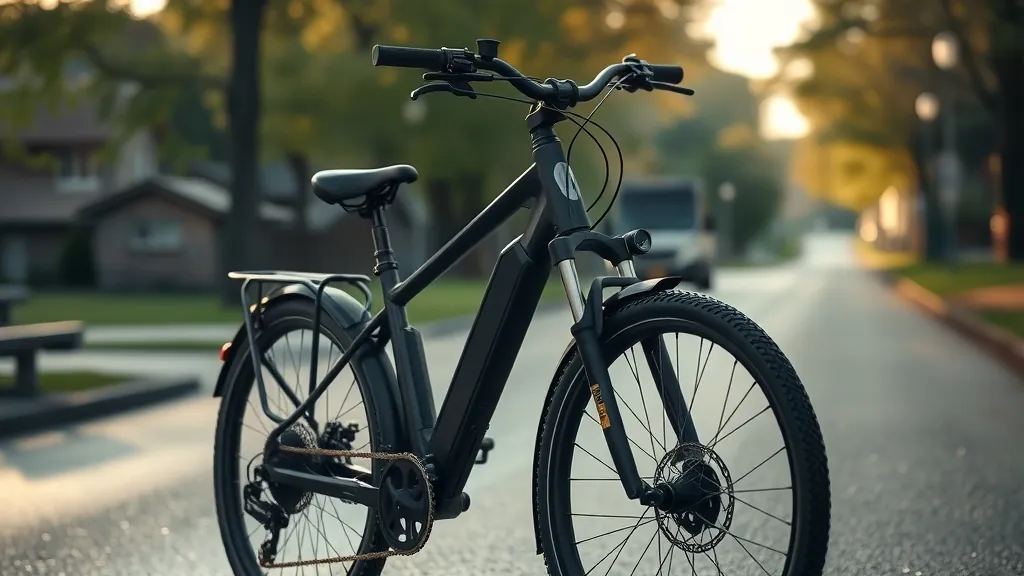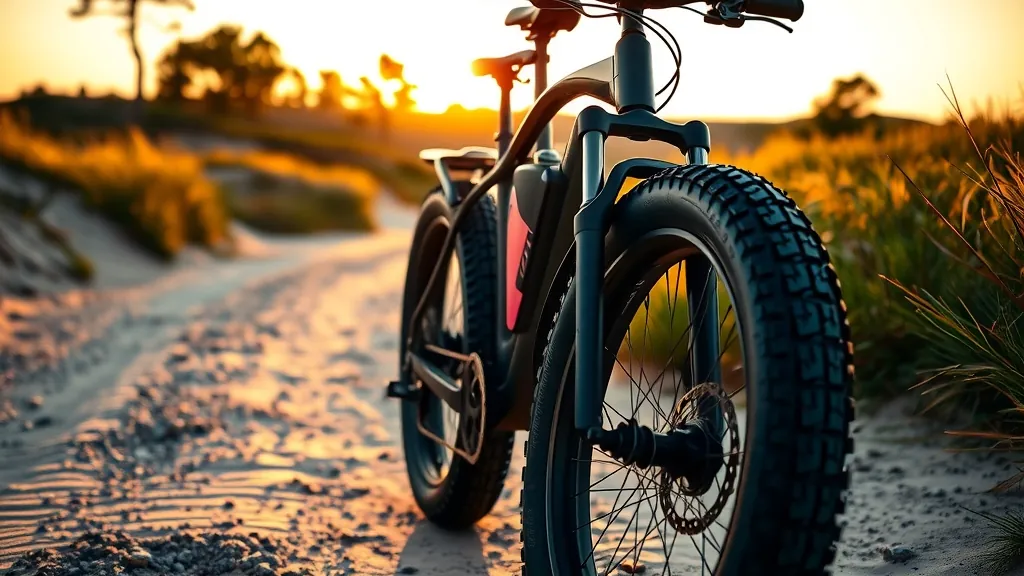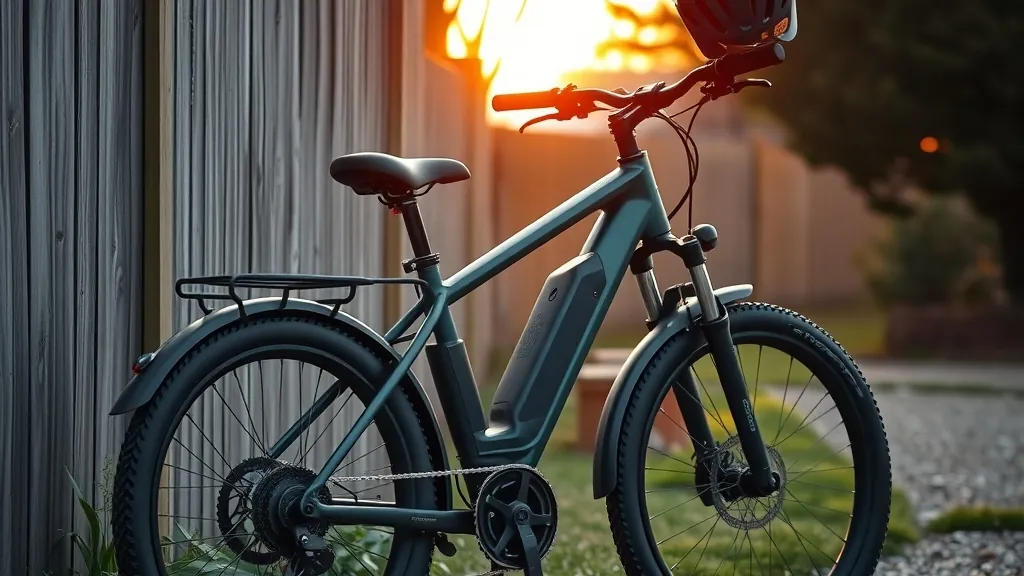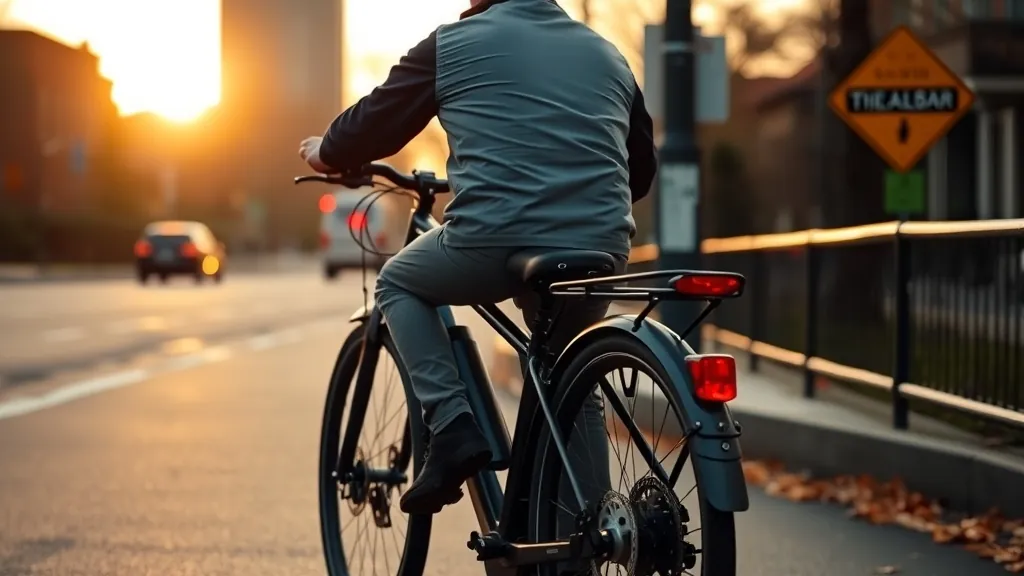
Bottom line first: the Velotric Discover 2 is the commuter e-bike I’d point most people toward if their rides are mostly pavement, they want a torque sensor and hydraulic brakes, and they can catch it on sale. At the $1,499 Velotric has been charging for much of fall 2026, it undercuts most bikes with this equipment list. At its $1,999 list price, it’s still good, but the newer Discover 3 makes it harder to justify. My rating is 4.3 out of 5.
What holds it back: 63 pounds of weight, frame sizing that doesn’t stretch as far as Velotric suggests, and tires that mean “paved road and smooth gravel,” nothing rougher.
How I put this together: I haven’t put a season of commuting on a Discover 2, so I’m not quoting my own range numbers. Specs come from Velotric’s listing and spec aggregators that cross-check it. Measured range comes from Electric Bike Report’s test. Pricing comes from Velotric’s own sale history as reported by deal trackers through November 2026. I searched the CPSC recall database and found no Velotric recall. Where a number is a manufacturer rating rather than a measured result, I say so.
What the money buys
| Spec | Velotric Discover 2 (manufacturer listing) |
|---|---|
| List price | $1,999; sold at $1,499 on velotricbike.com in Sept–Nov 2026 sales |
| Motor | 750W rated rear geared hub, 1,100W peak, 75 Nm torque |
| Battery | 48V 14.7Ah (705.6Wh), removable, IPX7-rated pack |
| Claimed range | Up to 75 miles |
| Classes / speed | Class 1, 2 or 3; throttle to 20 mph, pedal assist to 28 mph |
| Sensor | Torque sensor, with SensorSwap to switch to cadence-style assist |
| Drivetrain | Shimano Altus 8-speed, 11–32T cassette |
| Brakes | Tektro hydraulic disc, 180mm rotors front and rear |
| Suspension | 80mm coil fork with preload and lockout |
| Tires | Kenda 27.5 x 2.4 in, puncture-resistant |
| Weight / limits | 63 lb; 440 lb max total load; 66 lb rack capacity |
| Extras | Full fenders, rear rack, headlight, taillight with brake light and turn signals, 3.5 in color display with USB-C, Apple Find My |
| Certifications | UL 2849 and UL 2271 |
E-bike pricing moves weekly. Velotric’s own Discover 2 price has stepped from $1,999 to $1,899, $1,799, $1,699 and then $1,499 over 2026. Treat every number in that table as a snapshot and check the live listing.
The pricing math, and where the Discover 3 fits
Here’s the comparison that matters right now. Velotric launched the Discover 3 in 2026 as the Discover 2’s successor. Reviewers list its headline upgrades as an air suspension fork and a suspension seatpost, and Velotric priced it right where the Discover 2 started, at $1,999. In its Black Friday sale, the Discover 3 dropped to about $1,899.
So the decision usually looks like this:
- Discover 2 at $1,499: same motor class, same size battery family, same torque sensor and brakes, about $400 less.
- Discover 3 at $1,899–$1,999: a plusher ride on broken pavement, and the newest frame.
If your commute is on reasonably smooth roads or bike lanes, I’d keep the $400. That’s a good lock, a brighter bar light, a helmet and a professional tune-up after the first 100 miles, with change left over. If your route is potholed city streets every day, the Discover 3’s suspension upgrades are the one thing worth paying more for.
The cheaper direct-to-consumer bikes, often $1,000–$1,400, are the other realistic alternative. Many of them still use cadence sensors and cable-actuated brakes, and fewer carry UL certification on the whole electrical system. Those three items are exactly where the Discover 2 earns its price.
Deep dive: range, rated vs. measured
Velotric claims “up to 75 miles.” Electric Bike Report’s testing gives two useful numbers:
- 85.6 miles on its range test at low assist, about 13% above Velotric’s claim.
- 34.1 miles riding at the highest pedal-assist level (PAS 5).
I’d call that the most useful fact in this review. It tells you the battery is honestly rated, and it also shows how wide the real-world spread is. A rider who pedals steadily on low assist could charge once a week. A rider who uses the top assist level or the throttle on a hilly 12-mile round trip should plan on charging every couple of days, and winter will cut that further.
The pack is removable and carries an IPX7 rating per Velotric’s listing. Being able to carry the battery inside matters more than it sounds. In a cold garage, a lithium pack loses range and shouldn’t be charged below freezing anyway, so bring it into a warm, dry room to charge.
The torque sensor, and the SensorSwap trick
Most bikes in this price band pick one sensor type. The Discover 2 ships with a torque sensor, which measures how hard you push on the pedals and adds power in proportion. That makes starts from a stop sign smooth and controlled instead of the delayed lurch you get from a cheap cadence sensor.
SensorSwap lets you switch to cadence-style assist, where the motor delivers a set level of power once the cranks turn, regardless of effort. That sounds like a step backward, but it’s handy on long, flat rides when you want to spin lightly and let the motor do the work. It’s a small thing, but it’s the kind of feature that makes one bike fit two moods.
Limitations worth knowing before you order
Weight. At 63 lb, this isn’t a bike you casually carry up to a third-floor apartment. It’s lighter than most fat-tire bikes, but many hitch racks are rated around 60 lb per bike. Pull the battery before lifting it onto a rack, and check your rack’s per-bike rating.
Sizing. Velotric offers Regular and Large frames and lists a combined rider range of 4’11” to 6’4”. Electric Bike Report called that overly optimistic and pointed out that both sizes share the same 373mm reach, so the difference is mostly in standover and seatpost height. Riders at either end of the range should test-ride at a dealer first. The step-through frame has a low 15.35-inch standover, which helps shorter riders and anyone with stiff hips or knees.
Tires and suspension. The 27.5 x 2.4-inch Kenda tires roll fast and resist punctures, but they’re built for pavement. Electric Bike Report noted you’d want knobbier tires for dirt roads. The 80mm coil fork takes the edge off cracks and curbs. It won’t make rough trails comfortable.
Find My is iPhone-only. Apple Find My tracking is a real perk because it needs no subscription. If you use Android, though, you don’t get an equivalent, so budget for a separate tracker if theft is a worry.
It’s a model on its way out. With the Discover 3 out, expect Discover 2 sizes and colors to come and go. If you want a particular combination, don’t wait for one more price drop.
Warranty fine print
This is where I spend the most time on any e-bike, because a battery replacement can cost a big chunk of what the bike did.
Velotric offers a 2-year limited warranty on the Discover 2, which Electric Bike Report confirms. According to Velotric’s own pages, you can claim it with a dated receipt, and registration isn’t required for the base coverage. Velotric’s site also describes:
- longer coverage on the bike’s structure (frame) than on the electrical parts;
- a free registration window, which Velotric lists as 60 days from purchase, that adds extra coverage;
- an optional paid Protection Plan that Velotric lists at $199, available within a longer window after purchase.
Velotric’s own warranty pages weren’t consistent about the exact frame term when I checked in November 2026, so I’m not going to quote a number. Before you buy, read the current warranty page and look for three things: how many years the frame gets, whether the battery has a charge-cycle cap, and whether labor is included. Across the e-bike industry, labor is usually excluded, which means a motor swap under warranty can still cost you a shop bill. Register the bike the day it arrives, and keep the receipt somewhere you’ll find it in two years.
Setup, upkeep and safety
The bike ships mostly assembled. Plan on about an hour to fit the handlebar, front wheel, pedals and possibly the front fender. You’ll want metric Allen keys, a 15mm pedal wrench and, ideally, a torque wrench for the stem and handlebar bolts. If you’ve never bled or aligned hydraulic brakes, pay a local shop for an assembly check. Velotric sells through dealers, and many offer it.
For upkeep:
- Check tire pressure weekly. Soft tires kill range and wear unevenly.
- Inspect brake pads every few hundred miles. A 63 lb bike plus rider wears pads faster than an analog bike.
- Clean and lube the chain every couple of weeks if you ride in rain.
- Re-check bolt torque after the first 50–100 miles, when cables stretch and parts settle.
Battery safety, in plain terms: charge only with the supplied charger, on a hard surface away from anything flammable. Don’t charge a pack that has been dropped hard, is swollen or smells odd. Don’t leave it charging unattended overnight in a room where people sleep. Over winter, store it partly charged somewhere cool and dry, not on a freezing garage floor.
On the rules: e-bike classes, helmet laws, age limits and path access vary by state and city. The Discover 2 can be set to Class 3, which can take it off multi-use paths where Class 1 or 2 bikes are allowed. Set the class to match the roads and paths you’ll actually use.
Who should buy it, and who should skip it
Buy it if you commute or run errands mostly on pavement, you want a torque sensor, hydraulic brakes and fenders, a rack and lights already installed, and you can buy it at or near the $1,499 sale price.
Skip it if you have to carry the bike up stairs daily, your rides are on dirt roads or rough trails, you’re between sizes at the very short or very tall end, or you’d pay full price when the Discover 3 sells for about the same.
Verdict
The Discover 2 earns its 4.3 by getting the expensive parts right: a torque sensor that rides naturally, hydraulic brakes with 180mm rotors, UL-certified electricals, and a battery that beat its own range claim in independent testing. Apple Find My, with no subscription, is a nice bonus. Its weight, optimistic sizing and pavement-only tires keep it from scoring higher.
At $1,499, it’s one of the better-equipped commuters you can buy around that price. Buy from Velotric or an authorized dealer, register it right away, and confirm the price and warranty terms on the listing before you check out. Both have changed more than once this year.