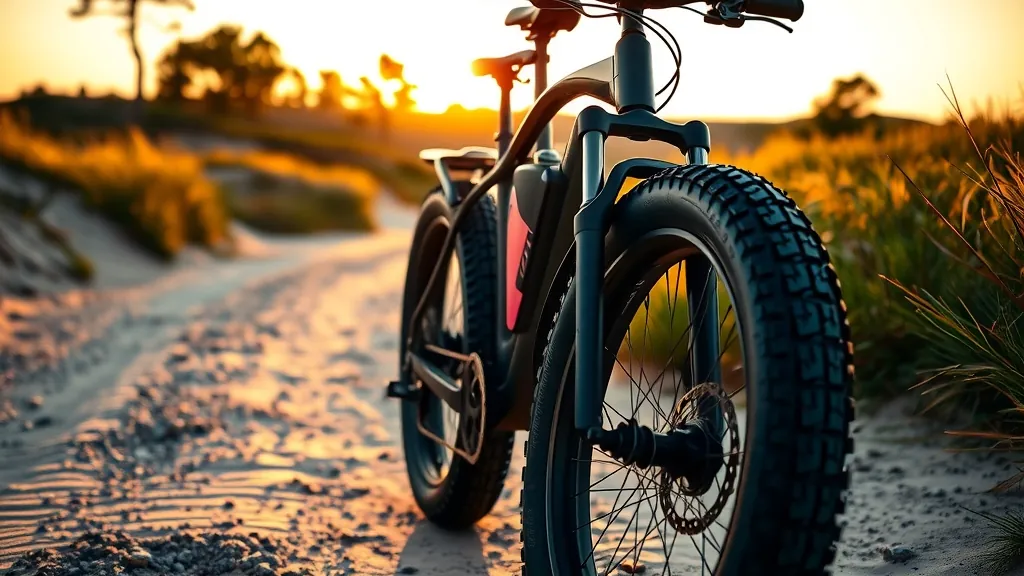
Picture a common situation: you bought a cheap fat-tire e-bike off a marketplace two years ago. It rides like a moped with a bad clutch. The cadence sensor kicks in a half-second late, the mechanical brakes squeal and fade on hills, and the battery charger has no certification you can find. You want to replace it with something you’d trust charging in the garage overnight, without spending $4,000 on a mid-drive.
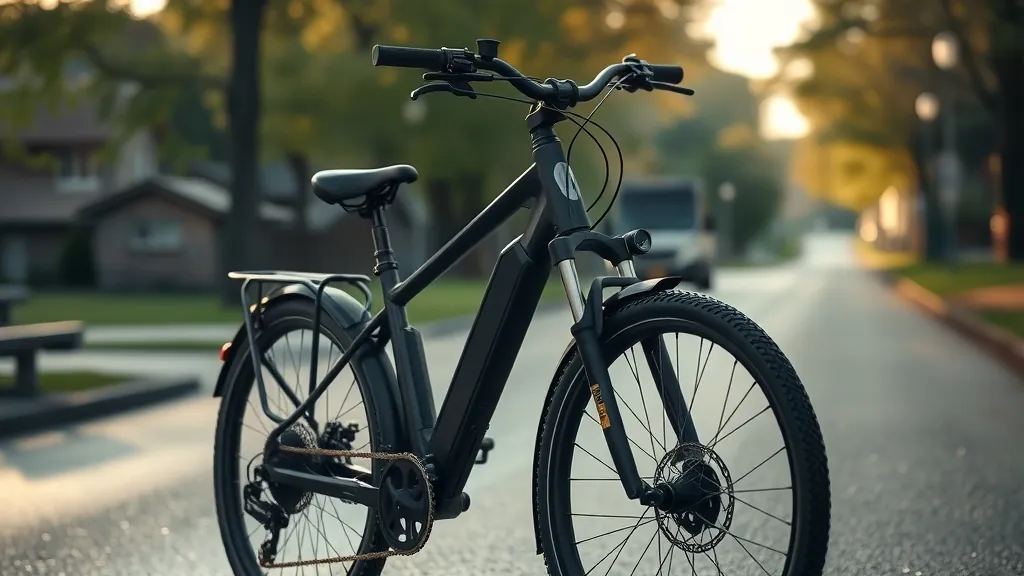
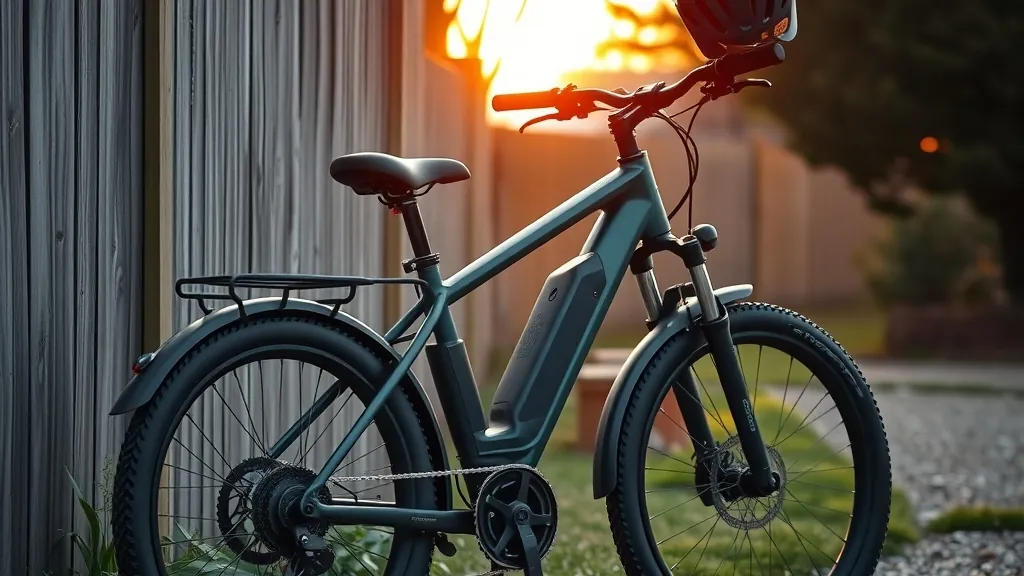
That’s the person the Aventon Aventure.3 is built for. It’s a 26 x 4-inch fat-tire bike with a 750W hub motor, a 733Wh battery, a torque sensor, and almost every accessory you’d otherwise bolt on yourself. The list price is $1,999, and it’s often discounted. My rating is 4.2 out of 5. It loses points mostly for weight, a warranty that doesn’t cover labor, and connected features that carry a yearly fee.
How I put this together: I haven’t ridden an Aventure.3 through a season myself, so I’m not going to claim range numbers from my own rides. Specs come from Aventon’s product listing and US warranty terms, both checked in November 2026. Measured numbers come from two independent tests: OutdoorGearLab (range, weight, motor output) and Freshly Charged (range and braking). I also checked the CPSC recall database and Aventon’s recall page. The only Aventon recall I found is the January 2024 Sinch.2 folding bike recall (unexpected acceleration), which doesn’t involve the Aventure line. Where a number is a manufacturer rating rather than a measured result, I say so.
What $1,999 actually buys
| Spec | Aventon Aventure.3 (manufacturer listing) |
|---|---|
| List price | $1,999 (sales are common; check the current listing) |
| Motor | 36V, 750W rated rear hub, about 1,188W peak, 80 Nm rated torque |
| Battery | 36V 20Ah, 733Wh, LG 21700 cells, removable, about 5 hr full charge on the 4A charger |
| Claimed range | Up to 65 miles |
| Class / top assisted speed | Class 2 out of the box (throttle), Class 3 unlockable in app, 28 mph |
| Sensor | Torque sensor (cadence mode added later by firmware update) |
| Drivetrain | Shimano Altus 8-speed |
| Brakes | Tektro hydraulic disc, 180mm rotors |
| Suspension | 80mm coil fork with lockout, plus suspension seatpost |
| Tires | 26 x 4.0 in |
| Weight / limits | About 77 lb; 400 lb total limit; 59 lb rear rack |
| Frames | Step-over or step-through, Regular (about 4’11”–5’7”) and Large (about 5’7”–6’1”) |
| Certifications | UL 2849 and UL 2271 |
Prices on e-bikes move constantly, especially in November and spring. Treat the table as a snapshot and confirm on Aventon’s site or with a dealer.
How it compares to the bike you’re probably cross-shopping
Most people looking at the Aventure.3 are also looking at a cheaper direct-to-consumer fat-tire bike, usually in the $1,200–$1,500 range. That’s the real decision, so here’s what the extra money gets you, item by item.
The torque sensor. This is the single biggest ride-quality difference. A cadence sensor turns the motor on once the cranks spin and delivers a fixed level of power for each assist setting. A torque sensor measures how hard you push, so the motor responds in proportion. On a heavy 4-inch-tire bike, that’s the difference between lurching away from a stop sign and rolling off smoothly. If you’ve had a cadence-sensor bike shove you into an intersection, you’ll feel this on the first ride.
Hydraulic brakes with 180mm rotors. A 77 lb bike plus a rider at 28 mph carries a lot of energy. Freshly Charged’s tester stopped from 20 mph in 22 feet. Cheaper fat-tire bikes still ship with cable-actuated discs, which work but need more hand force and more frequent adjustment.
Everything already on the bike. Full metal fenders, a rear rack, integrated lights with turn signals and brake lights, a suspension seatpost, and a lockout fork. Price those separately and install them on a budget bike, and you’ve added a few hundred dollars and an afternoon in the garage, assuming the frame even has the right mounting points.
Certification. The bike carries UL 2849 (the e-bike electrical system standard) and UL 2271 (the light-EV battery standard). I’ve walked through enough garages with a charger plugged in next to a gas can to care about this. A certified battery and charger don’t make fires impossible, but they mean someone independent tested the pack and its protections. Plenty of bargain bikes can’t say that.
What the cheaper bike wins on: price, obviously, and sometimes weight. If your rides are short, flat and paved, a well-reviewed $1,300 bike may be all you need.
Deep dive: range, rated vs. measured
Aventon says “up to 65 miles.” Here’s what independent testers recorded:
- OutdoorGearLab: 28.3 miles on a test course with more than 1,300 feet of climbing.
- Freshly Charged: about 50–55 miles in their range riding, with lighter assist use.
Both numbers are honest; they just describe different riding. The 65-mile figure assumes low assist, flat ground, a lighter rider and warm weather. Use the throttle, climb hills, carry cargo or ride in 35°F weather and you’ll land closer to the 28-mile result. For planning, I’d count on 25–35 miles if you ride hard and 45+ only if you pedal steadily on easy assist.
The battery is removable, which matters more than it sounds. You can bring it inside to charge in a cool, dry spot instead of leaving the whole bike plugged in on a cold garage floor. A full charge on the included 4A charger takes about five hours, according to Aventon.
The connected features, and the fee
The Aventure.3 has a 4G cellular connectivity unit with GPS. Through the Aventon app you get location tracking, geofencing alerts, a motion alarm, and remote lock. Aventon says these functions can be switched off.
The catch: OutdoorGearLab reports the connectivity service costs about $20 per year. That’s not much for theft tracking on a $2,000 bike, but it’s a recurring cost that isn’t in the sticker price, and it’s the kind of detail sales pages tend to bury. The bike works without it; you just lose the tracking and remote features. Check the current terms before you buy.
Limitations worth knowing before you order
Weight. About 77 lb per Aventon, and OutdoorGearLab weighed its step-through at 79 lb. Many hitch racks are rated around 60 lb per bike, so you may need a heavy-duty e-bike rack. If you live up a flight of stairs, take this seriously.
Sizing. The Regular frame is listed for riders from about 4’11”. Freshly Charged’s reviewer thought that’s a stretch and suggested riders around 5’0”–5’4” test-ride first. The step-through has an 18-inch standover, which helps.
Lighting. The integrated headlight is fine for being seen but weak for seeing on dark roads, according to OutdoorGearLab. Budget for a brighter bar-mounted light if you commute after dark.
The charge port sits low on the frame where road spray collects. Wipe it off before plugging in, and keep the cover closed.
It’s not a mountain bike. The 80mm coil fork and 4-inch tires soak up gravel, sand, snow and potholes. They are not built for technical singletrack, and racing or stunt use voids the warranty anyway.
Warranty fine print
This is where I spend the most time on any e-bike, because a battery replacement can cost a big chunk of what the bike did. Aventon’s US terms, for new bikes bought on or after January 1, 2026 from Aventon or an authorized retailer in the US or Canada:
- Frame: 2 years, extended to lifetime if you register within 90 days. Original owner only. Register the day it arrives.
- Battery: 2 years or 300 charge cycles, whichever comes first. If you ride daily and charge daily, 300 cycles can arrive well before the two-year mark.
- Motor, controller, display, throttle, sensors, wiring: 2 years.
- Most other Aventon-branded parts: 1 year (fenders, racks, lights and wheels get 2).
- Not covered: labor, wear parts (pads, chains, cassettes, tires), commercial or rental use, crashes, theft, and repairs by anyone other than Aventon or an authorized shop that cause problems.
The labor exclusion matters. If a motor fails in year two, Aventon covers the part, but you pay the shop to swap it unless you do it yourself. That’s normal across the industry, but no sales page will lead with it.
Setup, upkeep and safety
The bike arrives mostly assembled. Expect to install the handlebar, front wheel, pedals and possibly the fenders. It’s about an hour with metric Allen keys, a 15mm pedal wrench and a torque wrench if you want the stem bolts right. If you aren’t comfortable setting hydraulic brakes and checking bolt torque, pay a local shop for an assembly check. Aventon sells through authorized dealers, so that’s often an option at purchase.
For upkeep, keep the 4-inch tires at the pressure printed on the sidewall (low pressure kills range and the handling feel), check the brake pads every few hundred miles, and clean and lube the chain. Fat-tire bikes go through brake pads faster than you’d expect.
Battery safety, in plain terms: charge with the supplied charger only, on a hard surface away from anything flammable, and don’t charge a pack that’s been dropped hard, is swollen or smells odd. Don’t leave it charging unattended overnight in a room people sleep in. Store it partly charged in a cool, dry place over winter, not on a freezing garage floor.
And on the rules: e-bike classes, helmet laws, age limits and trail access vary by state and city. Unlocking Class 3 mode can take the bike off paths where Class 2 is allowed. Check your local rules first.
Who should buy it, and who should skip it
Buy it if you want one comfortable bike for paved trails, gravel, beach sand and winter streets, you value a torque sensor and hydraulic brakes, and you’d rather pay once for a bike with fenders, rack and lights already on it.
Skip it if you have to carry it up stairs or lift it onto a standard car rack, your rides are short and flat (a lighter, cheaper commuter makes more sense), or you’re shopping strictly under $1,500.
Verdict
The Aventure.3 earns its 4.2 by doing the important things right: a torque sensor that makes a heavy fat-tire bike feel controlled, hydraulic brakes with real stopping power, UL-certified electricals, and a 733Wh battery that holds up in independent testing. It’s held back by its weight, a battery warranty capped at 300 cycles, labor that’s never covered, and a connectivity fee that isn’t on the sticker.
If those trade-offs work for you, buy it on sale from Aventon or an authorized dealer, register it within 90 days for the lifetime frame warranty, and keep the receipt. Prices, connectivity fees and warranty terms change, so confirm them on the listing before you check out.